Decoding the Urban Canvas: The Power of Streetwear Design Aesthetic Templates
The Visual Language of Contemporary Fashion
The landscape of modern fashion is dominated by a distinct visual dialect known as streetwear. This style transcends simple clothing; it represents a cultural intersection of music, art, skateboarding, and urban life. For designers and entrepreneurs, capturing this specific energy requires precision and authenticity. Utilizing Streetwear Design Aesthetic Templates has become the industry standard for achieving this look without starting from a blank canvas. These templates provide the foundational graphics necessary to produce high-impact apparel that resonates with a discerning audience.
The core appeal of these design collections lies in their ability to bridge the gap between artistic vision and technical execution. In the past, creating a professional-grade t-shirt graphic required extensive training in illustration. Today, a curated collection of vector assets allows creators to bypass technical hurdles and focus on the message and brand identity. The aesthetic is defined by gritty textures, bold typography, and complex layering—elements that are pre-configured within professional templates to ensure visual coherence.
Anatomy of the Collection: What Makes the Designs Unique
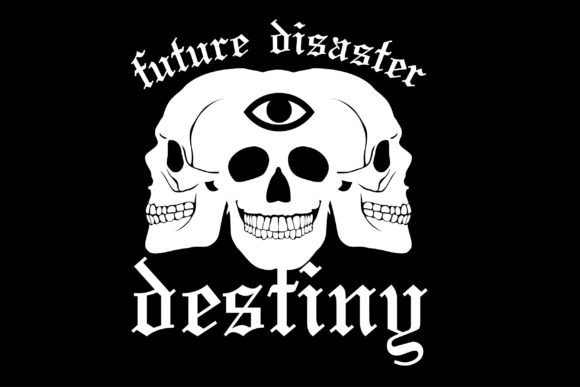
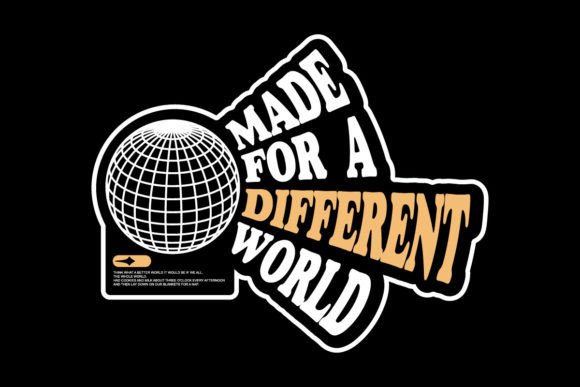
When analyzing a professional streetwear design package, one must look beyond the surface imagery. A high-quality collection is distinguished by its versatility and depth. The specific collection mentioned in the prompt offers a comprehensive suite of assets, including a primary Streetwear T-shirt Designs graphic and an extensive library of supporting elements. With 100 Vector source files in EPS formats, the potential for customization is virtually limitless. This volume of assets allows a brand to create entire collections rather than just single items.
The uniqueness of these urban collections stems from their adherence to current trends while maintaining timeless design principles. You will typically find a mix of the following elements:
- Typography Variations: Custom lettering that ranges from distorted grunge fonts to clean sans-serifs.
- Iconography: Skulls, flora, geometric shapes, and abstract art that define the "urban" look.
- Texture Overlays: Distressed effects that give prints a vintage or worn-in feel immediately.
These elements are not just random images; they are carefully curated to work together harmoniously. This cohesion is what separates amateur designs from professional merchandise ready for the market.
The Technical Edge: Scalability and Vector Formats
One of the most critical aspects of professional apparel production is the quality of the source file. The inclusion of EPS vector formats in these templates is a game-changer for production workflows. Unlike raster images (such as JPEGs or PNGs), which are made of pixels, vector graphics are constructed using mathematical paths. This means they can be scaled infinitely without losing quality.
Whether you are printing a small chest logo or a massive back print that spans the entire width of a hoodie, the vector file ensures the lines remain crisp and the colors sharp. The prompt highlights the ability to transform, scale up down, add remove elements or text, recolor without losing the quality. This technical flexibility is paramount for brand owners who may need to adapt a single design concept across various product types, such as t-shirts, joggers, beanies, and tote bags.
Practical Applications in Custom Merchandise
The utility of Streetwear Design Aesthetic Templates extends far beyond simple t-shirt printing. These assets are the engine behind various merchandise lines. For a business owner, these files offer a rapid deployment capability for new product drops. Instead of commissioning expensive custom illustrations for every item, a designer can utilize the 100 Vector sources files to remix and recombine elements, creating a cohesive look for an entire seasonal launch.
Common applications include:
- Sublimation Printing: The high-resolution JPG files included in these packs are perfect for all-over print designs, ensuring that the fabric is covered in vibrant, detailed artwork.
- DTG (Direct-to-Garment): The clean separation of elements in vector files makes color separation for DTG printing seamless.
- Sticker and Patch Production: Because the designs can be scaled down, they are equally effective for accessories like embroidered patches or die-cut stickers.
- Digital Assets: In the age of social media, these graphics can be used for Instagram posts, website banners, and digital lookbooks to maintain a consistent brand aesthetic.
The Workflow: From ZIP File to Finished Product
Understanding the workflow is essential for anyone looking to utilize these resources effectively. The process begins with the delivery mechanism. As noted, the files are compressed in one ZIP Format, you need to extract them. This standard compression ensures that the large volume of data (100+ files) is transferred efficiently.
Once extracted, the workflow typically follows these steps:
- Selection: Browse the collection to identify the core aesthetic that fits your brand narrative.
- Editing: Open the EPS files in vector graphics software such as Adobe Illustrator, Affinity Designer, or CorelDRAW. Here, you can deconstruct the design, isolating specific skulls, fonts, or textures.
- Customization: This is the creative phase. You might take the typography from one template and combine it with the iconography of another. Recoloring is simple in vector software, allowing you to match designs to your brand’s specific hex codes.
- Export: Finally, export the design in the format required by your printer (PNG for DTG, PDF for screen printing).
This streamlined workflow allows for a rapid turnaround, which is crucial in the fast-paced world of streetwear fashion where trends change weekly.
Target Audience and User Personas
The versatility of these design assets makes them suitable for a wide range of users. Professionals in the apparel industry use them to mock up concepts for clients, saving hours of initial drafting time. Business owners utilize them to lower the barrier to entry for starting a clothing brand, reducing the need for a full-time design team.
Furthermore, educators and researchers in graphic design often use these files to demonstrate the structure of complex vector art and the principles of visual hierarchy in fashion. For hobbyists, these templates offer a way to create personalized gifts or one-off pieces that look professionally made. The ability to easily edit vector files in any vector graphics software democratizes the design process, allowing creators of all skill levels to produce high-quality merchandise.
Considerations for Quality Control
While templates provide a strong starting point, quality control remains the responsibility of the creator. It is important to ensure that the final design does not look generic. This is achieved by utilizing the "add remove elements" capability mentioned in the asset description. A successful streetwear brand uses templates as a toolkit, not a crutch.
Additionally, understanding the printing method is vital. A design optimized for screen printing (limited colors, bold lines) might require slight adjustments compared to a design meant for sublimation (unlimited colors, gradients). The inclusion of high-resolution JPG files allows users to preview the design in a raster format before finalizing the vector output, ensuring that the texture and detail are preserved in the final print.
The Evolution of Streetwear Aesthetics
The streetwear aesthetic is constantly evolving, drawing inspiration from cyberpunk, vintage 90s hip-hop, and Japanese minimalism. Streetwear Design Aesthetic Templates often reflect these macro-trends, offering a snapshot of what is currently popular in the urban fashion scene. By analyzing these collections, designers can stay ahead of the curve.
For instance, the current trend leans heavily towards chaotic layering and mixed media looks—combining photography with vector illustration. A robust template collection facilitates this by providing varied assets that can be overlaid and blended. This dynamic approach to design ensures that the merchandise remains fresh and relevant to the target demographic.
In summary, the availability of professional, editable, and scalable streetwear templates has revolutionized the creation of urban fashion. They provide the necessary tools for high-quality production, creative freedom for designers, and a viable path to market for entrepreneurs. By leveraging these vector assets, anyone can transform a digital concept into a tangible, wearable piece of art.