Streamline Your Deals: The Ultimate Guide to Sales Contract Templates and Seller Contracts
In the world of business, a handshake is a great start, but it doesn't pay the bills. Whether you're a freelancer sending a final invoice, a small business owner selling a piece of equipment, or a creator shipping a custom order, the moment money changes hands, you need clarity. That's where the rubber meets the road, and it's exactly why having a reliable Sales Agreement Contract isn't just a good idea—it's your safety net.
Let's be honest: legal documents can feel intimidating. Most of us aren't lawyers, and the thought of drafting a contract from scratch is enough to make anyone procrastinate. However, ignoring the paperwork is a recipe for disaster. Misunderstandings about delivery dates, payment terms, or the condition of goods sold can turn a profitable deal into a nightmare of disputes and lost revenue.
Why You Need More Than a Handshake
A Sales Contract Template serves as the blueprint for your transaction. It transforms a verbal agreement into a binding document that protects both the buyer and the seller. For the seller, it ensures that payment terms are clear and that liability is limited once the product leaves your hands. For the buyer, it guarantees that what was promised is what will be delivered.
Think about the last time you sold something significant. Maybe it was a vintage camera, a bulk order of handmade soaps, or even a piece of heavy machinery. Without a written agreement, what happens if the package gets lost? Who pays for shipping insurance? What if the buyer claims the item wasn't "as described"? A Seller Contract answers these questions before they become problems, allowing you to focus on what you do best—running your business.
Real-World Scenarios: Who Uses These Templates?
The utility of a Sales Agreement Template stretches far beyond corporate boardrooms. It is a versatile tool used by a wide variety of professionals and individuals.
The Freelancer and Service Provider
If you are a graphic designer, web developer, or consultant, you might think you only need invoices. However, if you are selling a "product" like a website template, a stock photo license, or a batch of content, you are engaging in a sale of goods. Using a Business Sale Agreement ensures that the intellectual property rights transfer correctly and that the scope of what is being delivered is strictly defined. It prevents "scope creep" by legally binding the client to the specific deliverables listed in the contract.
The E-commerce Entrepreneur
Running an online store involves high volume and high risk. When you are shipping hundreds of packages a week, disputes are inevitable. A standardized Sales Contract Form integrated into your checkout process or terms of service protects your bottom line. It clearly outlines your return policy, warranty limitations, and shipping liabilities. This isn't just about legal protection; it’s about building trust. Customers feel more confident buying from a business that has clear, professional terms.
Private Sellers and Hobbyists
Imagine you are selling a restored motorcycle or a high-end computer setup to a stranger you met online. The exchange can be nerve-wracking. A simple Seller Contract Template acts as a receipt and a waiver. You can document the condition of the item at the time of sale ("sold as-is") and confirm that the buyer has inspected it. This simple piece of paper can save you from a lawsuit six months later if the transmission blows.
Key Elements of a Watertight Agreement
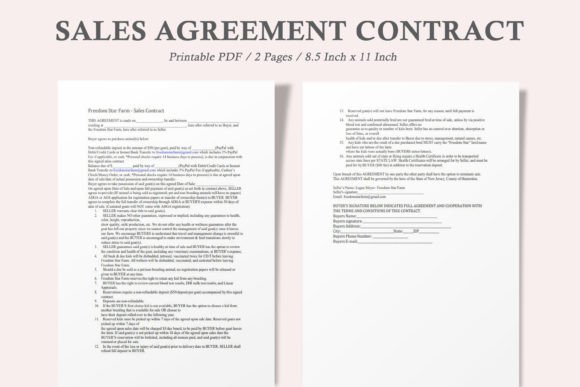
Not all templates are created equal. When you download a Business Purchase Agreement, you need to ensure it covers the critical pillars of a transaction. A well-designed template will prompt you to fill in details that you might otherwise forget.
- Identification of Parties: Full legal names and contact information for both buyer and seller.
- Description of Goods: Be specific. "Laptop" is too vague. "MacBook Pro 16-inch, 2023 Model, Serial Number XYZ" is watertight.
- Payment Terms: When is the money due? Is there a deposit? What are the accepted payment methods? What are the late fees?
- Delivery Terms: Who pays for shipping? When does the ownership transfer (when it leaves your dock or when it arrives at their door)?
- Warranties and Disclaimers: Are you offering a warranty, or is the item sold "as-is"? This is crucial for used goods.
The Power of Flexibility: Word and PDF Formats
One of the biggest hurdles in using legal templates is the rigidity of the format. Many free templates online are PDFs that you can't edit, forcing you to print them out and fill them in by hand. This looks unprofessional and is prone to errors.
The ideal solution is a template that comes in an editable format, such as Microsoft Word. This allows you to customize the document to fit your specific brand and business needs. You can add your logo, adjust the clauses to fit your industry's specific regulations, and save it as a reusable master file.
Having a Sales Agreement Contract in Word means you can quickly duplicate the file for a new client, change the relevant details, and send it off for a digital signature in minutes. It turns a tedious administrative task into a seamless part of your workflow. Furthermore, a professional, minimalist design ensures the document is easy to read and ink-friendly if you do need to print a hard copy for records.
Choosing the Right Template for Your Needs
Before you download or purchase a template, consider the complexity of your transactions. Are you selling simple consumer goods, or are you involved in a complex asset transfer?
For everyday sales, a general Sales Contract Template is usually sufficient. It covers the basics and keeps the process moving. However, if you are selling a business, a share of a company, or high-value commercial real estate, you will need a more robust Business Purchase Agreement. These documents are more detailed and often require customization to address tax implications, non-compete clauses, and asset inventories.
Regardless of the complexity, the goal is the same: to create a document that both parties understand and agree to. The best template is one that uses plain English rather than dense legalese. If you and your client can't understand what you are signing, the contract isn't doing its job.
Implementing the Template into Your Workflow
Once you have your Seller Contract Template, don't just let it sit in a folder on your desktop. Make it a standard part of your sales process.
- Customize It: Open the Word file and add your business details. Lock in the sections that never change (like your company name and standard return policy).
- Digital Integration: Save a blank copy as a "Master." When a new sale comes in, duplicate the Master and fill in the client-specific details.
- Review: Always give the contract a quick read before sending. Ensure the dates, prices, and product descriptions match the conversation you had with the client.
- Execute: Use a digital signature tool or print and sign. Always ensure both parties have a copy of the fully executed agreement.
By treating your contracts as a standard operating procedure rather than an afterthought, you elevate your professionalism. It signals to your clients that you are organized, serious, and respectful of the business relationship.
Conclusion: Protect Your Passion
Whether you are a hobbyist turning a passion into profit or a seasoned entrepreneur managing complex deals, a solid contract is your best defense. It protects your time, your money, and your reputation. Don't leave your sales to chance. Equip yourself with a professional Sales Contract Template, streamline your operations, and step into your next deal with total confidence.