Food Blogger Story Canva Templates: Elevate Your Visual Content
In the fast-paced world of digital marketing, visual storytelling is no longer just an option—it is a necessity. For food bloggers, restaurant owners, and culinary content creators, the pressure to produce high-quality, aesthetically pleasing content daily can be overwhelming. This is where Food Blogger Story Canva Templates come into play. These resources bridge the gap between professional design and accessibility, allowing you to maintain a consistent brand presence without spending hours on graphic design software. Whether you are launching a new recipe or promoting a seasonal menu, these templates provide the structure needed to captivate your audience.
The Anatomy of a High-Quality Template
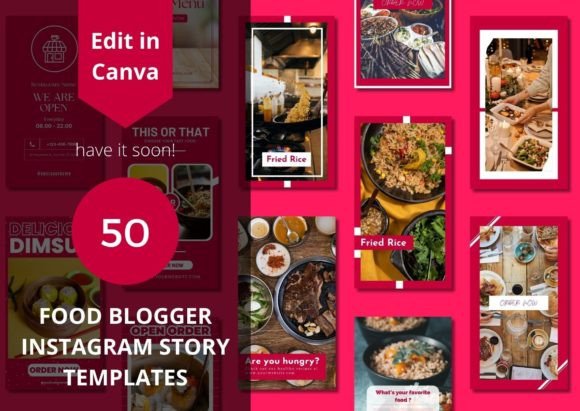
Not all templates are created equal. A robust package, such as a set of 50 Instagram or Social Media Stories, goes beyond simple backgrounds. The best Food Blogger Story Canva Templates are built with a deep understanding of user experience and visual hierarchy. They typically feature clean typography, balanced whitespace, and designated areas for high-resolution photography. You will often find elements designed to direct the user's eye, such as subtle arrows or highlighted text boxes for calls to action. The strength of these templates lies in their modular nature; they are designed to be mixed and matched, creating a cohesive feed that feels curated rather than chaotic.
Customization Without the Headache
One of the most significant advantages of modern design assets is the move toward user-friendly platforms. These templates are fully editable in Canva, supporting both the free and pro versions. This democratization of design means you do not need a background in Adobe Photoshop or Illustrator to achieve a polished look. You can modify colors to match your brand palette, swap fonts to reflect your voice, and upload your own images directly into the frames. This flexibility ensures that while the template provides the starting point, the final product is uniquely yours. The ability to adjust every layer means your content remains distinct, even if others use the same base package.
Practical Applications for Every Creator
While the name suggests a specific niche, the utility of these assets extends far beyond a simple recipe share. The versatility of a high-quality story template pack allows for a wide range of applications across different sectors of the food industry.
Product Advertising and Launches
For businesses selling physical products—such as artisanal sauces, baked goods, or kitchenware—templates are invaluable for advertising. Instead of a static product shot, you can use a template to create a "New Arrival" announcement or a "Flash Sale" graphic. The structured layout helps convey essential information (price, availability, features) clearly, reducing cognitive load for the viewer. This approach professionalizes your advertising efforts, making small businesses appear as established as major competitors.
Recipe Sharing and Education
Educational content performs exceptionally well on social media. Food bloggers can use these templates to break down complex recipes into bite-sized, digestible steps. Imagine a "Swipe-Through" tutorial where each story slide details a specific instruction. This format keeps users engaged with your profile longer, boosting your algorithmic ranking. Teachers and educators in culinary schools can also utilize these designs to present class materials in a more engaging format than standard slide decks.
Behind-the-Scenes and Branding
Modern audiences crave authenticity. Use these templates to frame "Behind the Scenes" content, such as a messy kitchen prep or a market trip. By overlaying consistent branding elements over candid footage, you humanize your brand while maintaining a professional aesthetic. This balance is crucial for building trust and community. It allows freelancers and hobbyists to present their work with the same polish as a dedicated marketing team.
Driving Traffic and Engagement
The primary goal of using Food Blogger Story Canva Templates is to drive traffic and engagement. A visually disjointed profile often leads to a high bounce rate—users may view one post and leave. However, a cohesive, well-designed story sequence encourages users to click through your highlights, visit your website, or swipe up on a link. Templates facilitate this by providing clear, visually distinct calls to action (CTAs). Whether it is a "Read More" button or a "Shop Now" sticker frame, these design cues guide the viewer toward the desired action, effectively turning passive scrollers into active participants.
Selection and Implementation Strategies
Choosing the right templates requires a strategic approach. It is not just about what looks good in the preview; it is about what works for your specific workflow and content strategy.
Aligning with Brand Identity
Before purchasing or downloading, analyze the template’s default aesthetic. Does it lean towards minimalism, rustic warmth, or bold modernism? Ensure the base design aligns with your existing brand identity. While you can change colors and fonts, changing the fundamental "vibe" of a template can be time-consuming and often results in a disjointed look.
File Organization and Workflow
When you acquire a pack of 50 templates, organization is key. Create a dedicated folder structure in your Canva account. Label templates by their intended use—such as "Promotions," "Tutorials," or "Engagement." This prevents decision fatigue when you are rushing to post content. A practical recommendation is to customize your top five most-used templates immediately upon purchase and save them as your "Daily Drivers." This way, content creation becomes a matter of filling in the blanks rather than starting from scratch.
Evaluating Technical Quality
Inspect the technical details of the files. High-quality templates should utilize free fonts or include links to premium ones that you are willing to purchase. They should also be optimized for mobile viewing, meaning text should be legible on small screens and interactive elements should not be obscured by the platform’s native UI (like the "Reply" bar or "Like" button). Good template design accounts for these platform constraints.
The Economic Value of Efficiency
For entrepreneurs and freelancers, time is a finite resource. The "DIY" approach to design is often a false economy; the hours spent trying to align elements manually could be better spent on content creation or client relations. Investing in a set of Food Blogger Story Canva Templates is an investment in efficiency. It standardizes the production process, allowing you to batch-create content. You can sit down for two hours and produce a week's worth of stories, ensuring you never miss a day of posting due to a creative block.
Furthermore, these templates level the playing field. A solo food blogger can now present content that rivals the output of agencies with dedicated design departments. This visual parity is essential in a saturated market where the audience judges credibility within the first few seconds of viewing a profile.
Conclusion
Ultimately, the value of these templates lies in their ability to simplify the complex. They remove the friction from the creative process, allowing you to focus on what you do best: creating delicious food and compelling stories. By integrating these tools into your workflow, you enhance your brand's visual language, improve audience retention, and create a more professional digital footprint. Whether you are a seasoned professional or just starting, these assets provide the scaffolding needed to build a stronger, more engaging social media presence.