A Practical Guide to Using 60 Restaurant Social Media Templates for Your Business
Managing a consistent and engaging social media presence is a significant operational challenge for restaurant owners and managers. The demand for fresh, high-quality visual content can strain resources, especially for small teams balancing kitchen operations, customer service, and marketing. A structured approach, such as using a library of pre-designed assets, can be a practical solution to this common problem.
Understanding the Core Offering
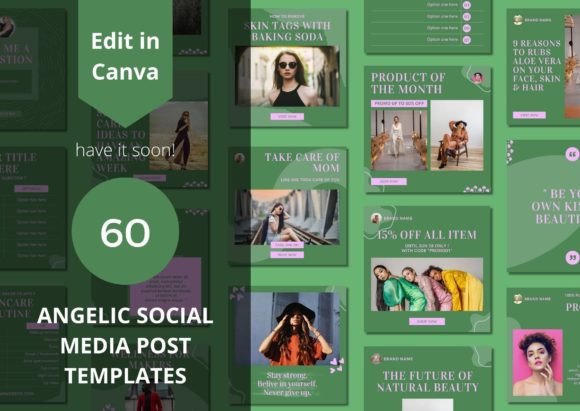
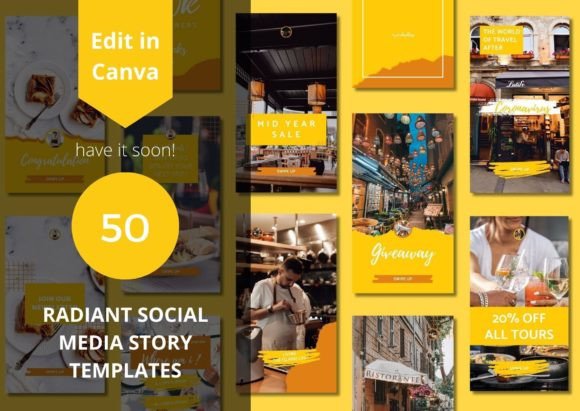
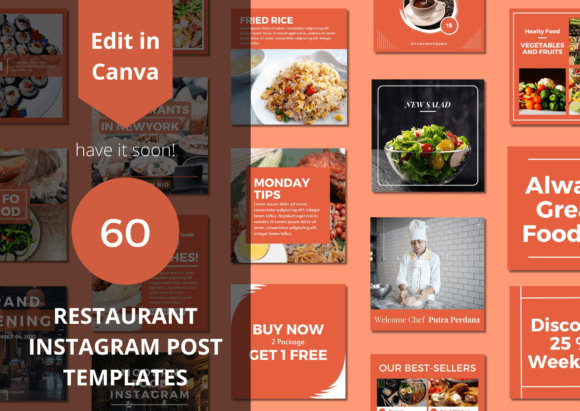
A package of 60 Restaurant Social Media Templates is a collection of pre-designed graphic layouts, typically for platforms like Instagram, intended to streamline content creation. The key distinction of such a package is its focus on a specific industry—hospitality and food service. Unlike generic design templates, these are crafted with visual themes, color palettes, and content structures that resonate with dining audiences. The inclusion of 60 distinct templates provides a substantial volume, aiming to cover a range of common posting scenarios without immediate repetition.
The templates are usually delivered via a PDF containing direct links. These links grant access to the designs within a platform like Canva. This method is significant because it leverages a widely accessible tool. Canva offers a free tier that allows for extensive editing, meaning the initial investment in the templates does not necessarily require a recurring software subscription. Users can modify colors, fonts, images, and text to align with their brand identity, making the templates a flexible starting point rather than a rigid final product.
Evaluating the Content Mix and Practical Application
The value of a template bundle lies in its utility across different marketing objectives. A typical collection of 60 Restaurant Social Media Templates might include designs for:
- Promotional Content: Templates for product ads, daily specials, or new menu launches help drive direct sales.
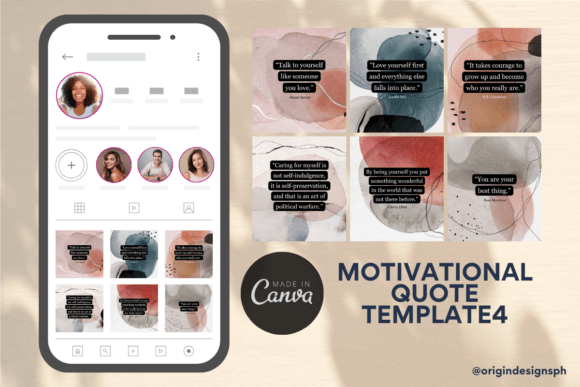
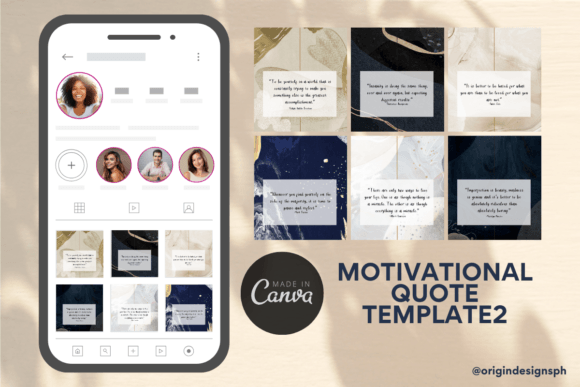
- Community Engagement: Quote templates, "thank you" cards, and testimonial or review highlights are designed to foster connection and social proof.
- Visual Showcase: Gallery layouts allow for the elegant presentation of food photography, interior shots, or team images.
- Informational Posts: Some templates may be structured for sharing hours, reservation information, or event announcements.
This variety addresses a core need: planning a content calendar. Instead of starting from a blank canvas each day, a manager can select a template that fits the planned post's goal, significantly reducing design time. For a small café or a food truck, this efficiency can be the difference between posting sporadically and maintaining a regular, professional presence.
Comparing This Approach to Alternatives
When evaluating resources for social media management, it's useful to consider where a template bundle fits within a spectrum of options.
Templates vs. Fully Custom Design
Hiring a freelance designer or agency for custom social media graphics ensures unique branding but involves higher costs and longer turnaround times. A bundle of 60 Restaurant Social Media Templates offers a middle ground: professional design quality at a fraction of the cost, with the trade-off being that other businesses might use similar base designs. The customization potential within Canva mitigates this, allowing for significant brand differentiation.
Templates vs. All-in-One Scheduling Tools
Many social media management platforms (like Buffer or Hootsuite) include basic image editors and template libraries. However, these are often general-purpose. The advantage of a dedicated restaurant template pack is its industry-specific focus. The layouts are pre-optimized for food and beverage aesthetics, which can lead to more engaging posts for that target audience. The decision here depends on whether a business prioritizes integrated scheduling or specialized design assets.
Templates vs. Creating Everything from Scratch
For a team with strong in-house design skills and ample time, creating original content for every post is ideal. However, this is rarely feasible for most restaurant operators. The 60 Restaurant Social Media Templates act as a force multiplier, enabling a non-designer to produce polished content quickly. The limitation is that users must still source their own high-quality photography; the templates provide structure, not the core visual content itself.
Determining the Right Fit: Use Cases and Limitations
This resource is particularly well-suited for specific situations. It is a strong candidate for:
- New Establishments: A restaurant in its first year can use the templates to rapidly build a professional online portfolio and maintain consistent posting during a critical growth phase.
- Businesses with Limited Marketing Budgets: It provides a cost-effective way to achieve a level of visual polish that might otherwise be out of reach.
- Content Creators in the Niche: Food bloggers or influencers focusing on restaurant reviews can use the templates to standardize their post formats, making their feed look more cohesive.
Conversely, there are scenarios where this might not be the optimal solution. A large restaurant chain with a dedicated marketing department and a strict brand guideline book may find the templates too generic and prefer to develop all assets in-house. Furthermore, businesses seeking advanced features like automated posting, detailed analytics, or direct integration with reservation systems will need to pair the templates with other specialized tools.
Making an Informed Decision
Choosing to invest in a set of 60 Restaurant Social Media Templates is a decision about workflow efficiency and visual consistency. It is not a replacement for a marketing strategy but a tool to execute one more effectively. Before purchasing, consider the following:
- Assess Your Current Bottleneck: Is your primary struggle a lack of design ideas, the time to create graphics, or the technical skill to use design software? Templates directly address the first two issues.
- Review the Specific Template List: Scrutinize the examples provided. Does the content mix align with your planned posts? Are the designs aesthetically compatible with your brand's vibe?
- Evaluate the Editing Platform: Confirm the templates are for a tool you are comfortable using, like Canva. The ease of editing is crucial for the solution to be practical.
- Consider Long-Term Scalability: Sixty templates offer variety, but eventually, you may need more. Some providers offer additional packs or updates, which can be a factor in your choice.
Ultimately, the utility of such a template package is realized through consistent use. For a restaurant owner looking to reduce the daily friction of social media marketing while elevating their profile's professionalism, a well-curated set of industry-specific templates represents a practical and accessible investment. It shifts the focus from the mechanics of design to the strategy of communication, allowing businesses to spend more time on their core offering—the food and the guest experience.